War Remnants Museum in Saigon (2026): What to See, Tickets and Visiting Tips
 By Jimmy Nguyen, Founder & Director of Asia Travel Expert Co., Ltd.
Is the War Remnants Museum worth visiting? Yes. The War Remnants Museum at 28 Vo Van Tan Street (former District 3, now Xuan Hoa ward) is one of the most visited museums in Ho Chi Minh City and one of the most thought-provoking in Asia. In three storeys of galleries and a walled yard full of aircraft, tanks and artillery, it shows what the war of 1954–1975 meant for ordinary Vietnamese people, from bombing and napalm to the long legacy of Agent Orange. It opens every day from 7:30 to 17:30, a ticket costs 40,000 VND (about 1.5 USD), and most visitors need 1.5 to 2 hours. This guide, written by the Saigon Muslim Tours team who bring guests here regularly, explains what to see, how to plan your visit and where to find halal food and a mosque nearby.
- Why visit: it is the clearest place in Vietnam to understand the human cost of the war, told largely through photographs.
- What stays with you: the “Requiem” collection of images by war photographers, the Agent Orange galleries and the reconstructed “tiger cages”.
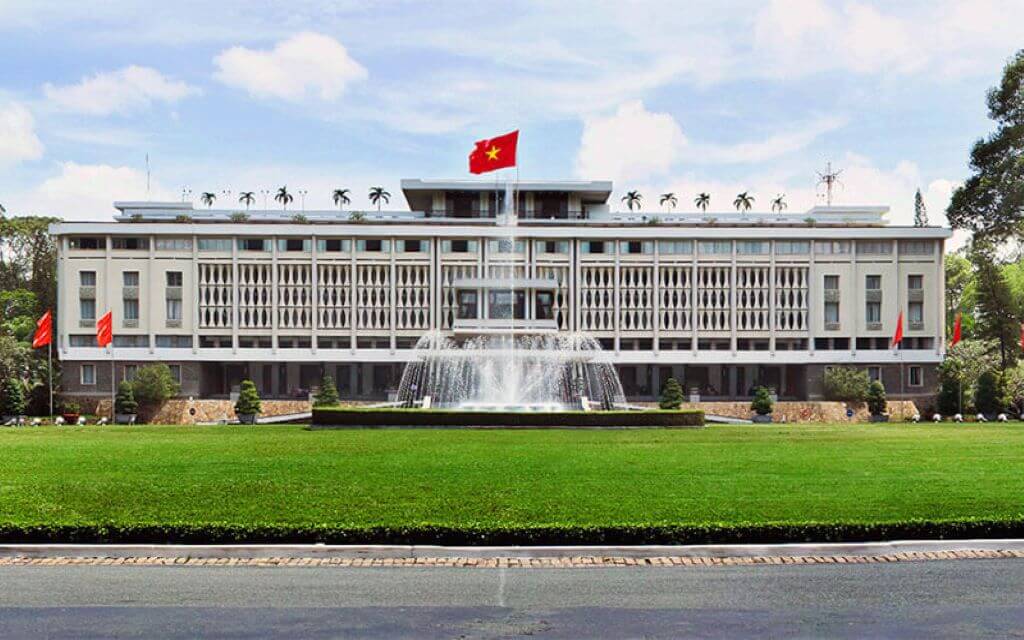
- Easy to combine: Independence Palace is a 10-minute walk away, and Saigon Central Mosque is a short ride.
- Good to know: some images are very graphic, so parents of young children should plan which rooms to skip.
War Remnants Museum at a Glance
| Item | Details |
|---|---|
| Address | 28 Vo Van Tan Street, Xuan Hoa ward (former Ward 6, District 3), Ho Chi Minh City |
| Opening hours | Daily 7:30–17:30; the ticket counter closes at 17:00 |
| Closed days | None; open every day of the year, including weekends and holidays |
| Ticket price | 40,000 VND (about 1.5 USD) per adult; students pay half (20,000 VND); children under 6 enter free |
| Online tickets | Available since February 2026 on the museum’s ticketing website, with a QR code sent by email |
| Time needed | 1.5–2 hours; 3 hours if you read every caption |
| Dress code | No formal rule; light, modest clothing and comfortable shoes are ideal |
| Photography | Personal photos are generally allowed; please be discreet in the galleries with graphic images |
| Children | Suitable for older children with an adult; some photos and specimens are disturbing for young children |
Prices and hours above are those published by the museum for 2026. Ticket prices in Vietnam are revised from time to time, so check the official museum website shortly before you go.
A Short History of the War Remnants Museum
The museum opened on 4 September 1975, only four months after the war ended, in a building that had been used by the United States Information Agency. Its early names reflected the mood of the time: it began as an exhibition house of “American and puppet-regime war crimes”, became the Exhibition House for Crimes of War and Aggression in 1990, and took its present, more neutral name, Bao tang Chung tich Chien tranh or War Remnants Museum, in July 1995, the year Vietnam and the United States restored diplomatic relations.
Since 1998 the museum has been a member of the International Network of Museums for Peace, and many of its photographs and objects were donated by veterans, journalists and peace activists from abroad, including Americans. Today it holds more than 20,000 documents, objects, films and photographs. It celebrated its 50th anniversary in September 2025, by which time it had welcomed more than 25 million visitors, and it received over 1.4 million visitors in 2025 alone, a large share of them international travellers.
The tone has softened over the years. Newer exhibitions pay more attention to reconciliation, to the efforts of Vietnamese and foreign organisations to clear unexploded ordnance and support Agent Orange victims, and to the anti-war movement around the world. The core message remains the same: war leaves wounds that last for generations.
What to See at the War Remnants Museum
The museum is organised by themes rather than strict chronology, and rooms are occasionally rearranged when temporary exhibitions arrive. Many visitors find it easiest to start at the top floor and work down, finishing with the outdoor yard. These are the highlights our guides point out.
1. The outdoor yard of aircraft, tanks and artillery
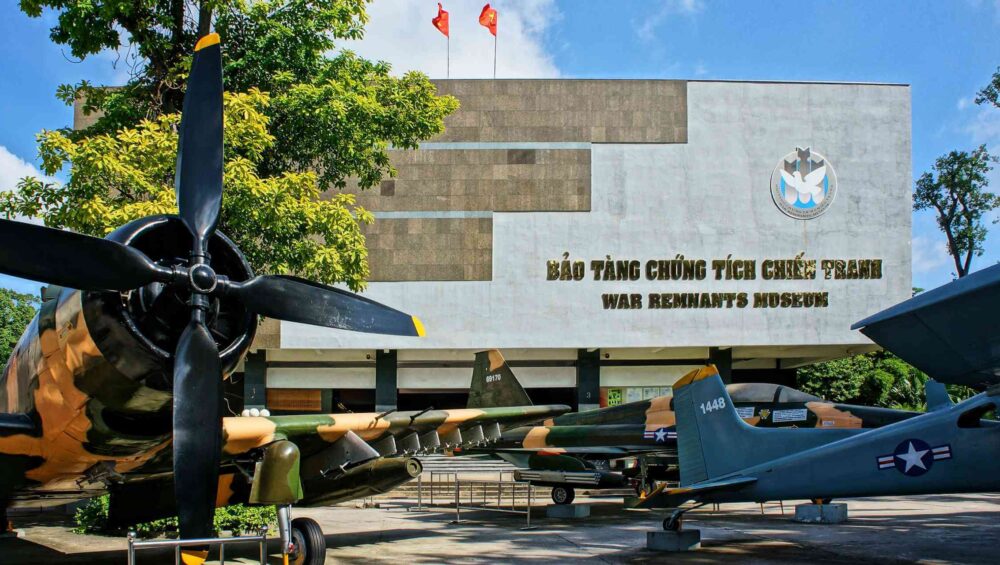
Before you go inside, walk around the courtyard. Here stand a Bell UH-1 “Huey” helicopter, an M48 Patton tank, an F-5A fighter, an A-1 Skyraider and an A-37 Dragonfly attack aircraft, heavy artillery and a huge BLU-82 bomb casing, all with their fuses and charges removed. It is the most photographed part of the museum and a good place to understand the scale of the hardware involved.
2. “Historical Truths”
This gallery sets out the background to the war through documents and photographs, from the end of French rule and the 1954 Geneva Accords to the escalation of American involvement in the 1960s and the end of the war in 1975. It gives the context that makes the rest of the museum easier to follow.
3. Crimes of the war of aggression
The museum’s most confronting rooms document the impact of the bombing campaigns, napalm and phosphorus weapons on villages and civilians, including the My Lai massacre of March 1968. Captions are in Vietnamese and English, and the photographs speak for themselves. Take your time, and step out to the yard for air if you need to.
4. Agent Orange and its long legacy
Between 1961 and 1971, millions of litres of herbicides containing dioxin were sprayed over southern Vietnam. These galleries show the effects on people exposed during the war and on their children and grandchildren, with portraits of families who live with disabilities today. Some displays include preserved specimens, which younger visitors may prefer to avoid.
5. “Requiem”: the photographers who died covering the war
Many visitors say this is the most moving room in the building. It brings together the work of photographers from many countries, on all sides of the conflict, who lost their lives in the Indochina wars. The images are powerful and often beautiful, and they show the war through the eyes of the people who risked everything to record it.
6. Vietnam: war and peace, and the world’s anti-war movement
Ground-floor galleries cover the international protests against the war, with posters, badges and photographs from cities around the world, and the story of how Vietnam rebuilt after 1975. This section is calmer and a good place to finish before you leave.
7. The “tiger cages” and the prison system
In the yard you will find reconstructions of the cramped “tiger cages” used to hold political prisoners on Con Dao Island, together with prison cells and a guillotine used under French rule and in the early years of South Vietnam. It is a stark reminder of how prisoners were treated during the war years.
8. Temporary exhibitions
The museum regularly hosts themed exhibitions. To mark its 50th anniversary in 2025, for example, it showed how southern Vietnamese families cooked and ate in the resistance bases during the war. Ask at the entrance what is on during your visit.
Opening Hours and Tickets
- Opening hours: daily from 7:30 to 17:30, including weekends and public holidays. The ticket counter closes at 17:00.
- Adults: 40,000 VND (about 1.5 USD).
- Students: 50% discount with a valid student card.
- Children under 6: free.
- Online tickets: since 10 February 2026 you can choose a time slot and pay online through the museum’s website, then show the QR code sent to your email at the gate. This is useful at busy times, when queues for the ticket desk can be long.
On a private tour with Saigon Muslim Tours, entrance tickets are included and your guide handles them for you.
How to Get to the War Remnants Museum
The museum stands on the corner of Vo Van Tan and Le Quy Don streets, just west of the old city centre.
- By Grab or taxi: about 10 minutes from the hotels around Nguyen Hue Walking Street and Dong Khoi Street. Show the driver the address “28 Vo Van Tan, Quan 3”; drivers still use the old district names.
- On foot: about 10 minutes from Independence Palace and 15–20 minutes from Ben Thanh Market, along shaded streets.
- By metro: Ben Thanh station on Metro Line 1 is the nearest stop; from there it is a 15–20 minute walk or a short Grab ride.
Open the War Remnants Museum in Google Maps
Best Time to Visit and Insider Tips
- Come early. Arrive at 7:30 to see the yard and the upper galleries before tour groups arrive around mid-morning. The late afternoon after 15:30 is also quieter.
- Weekdays are calmer than weekends and Vietnamese public holidays, especially around 30 April, when the museum is very busy.
- Beat the heat. Saigon is hot all year. The dry season from December to April is the most comfortable; in the rainy season (May to November) short, heavy showers are common in the afternoon, which makes the indoor galleries a good choice.
- Pace yourself. The content is heavy. Plan a break in the yard between floors, and keep the “Requiem” room for when you are not rushed.
- Go with a guide. A good guide explains the context of each gallery and answers questions that the captions do not.
- Combine nearby sights. Independence Palace is the natural next stop; the Saigon Central Post Office and Notre-Dame Cathedral, which is under long-term restoration, are about 15 minutes away on foot.
Tips for Muslim Travellers
Halal food near the museum
There is no halal restaurant beside the museum. The nearest halal options are in the city centre, 10 minutes away by Grab:
- Nguyen An Ninh Street, beside Ben Thanh Market (former District 1, now Ben Thanh ward): several Muslim-run eateries serving halal pho, rice dishes and banh mi.
- The Daun Restaurant, 48 Le Lai Street (Ben Thanh ward): halal Vietnamese dishes, a good choice for families.
- Halal@Saigon, 31 Dong Du Street (Sai Gon ward): directly opposite Saigon Central Mosque, convenient if you plan to pray there.
For more choices, ratings and opening hours, read our guide to halal restaurants in Saigon.
The nearest mosque
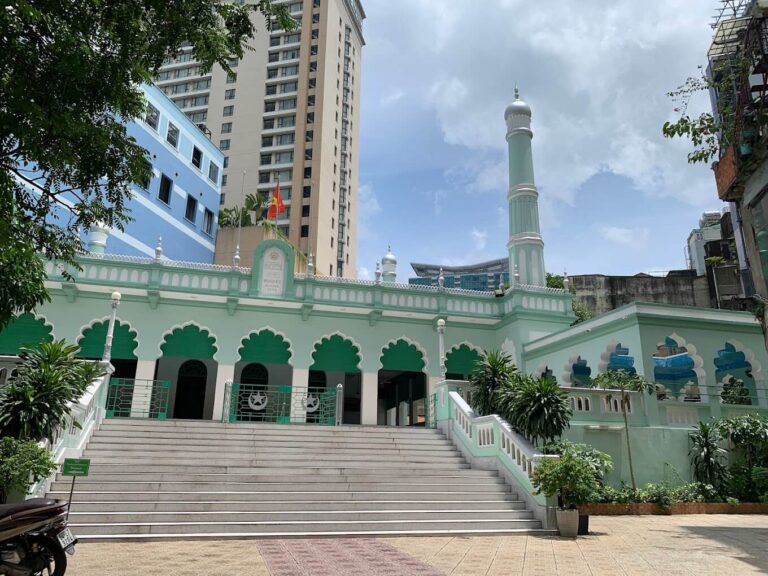
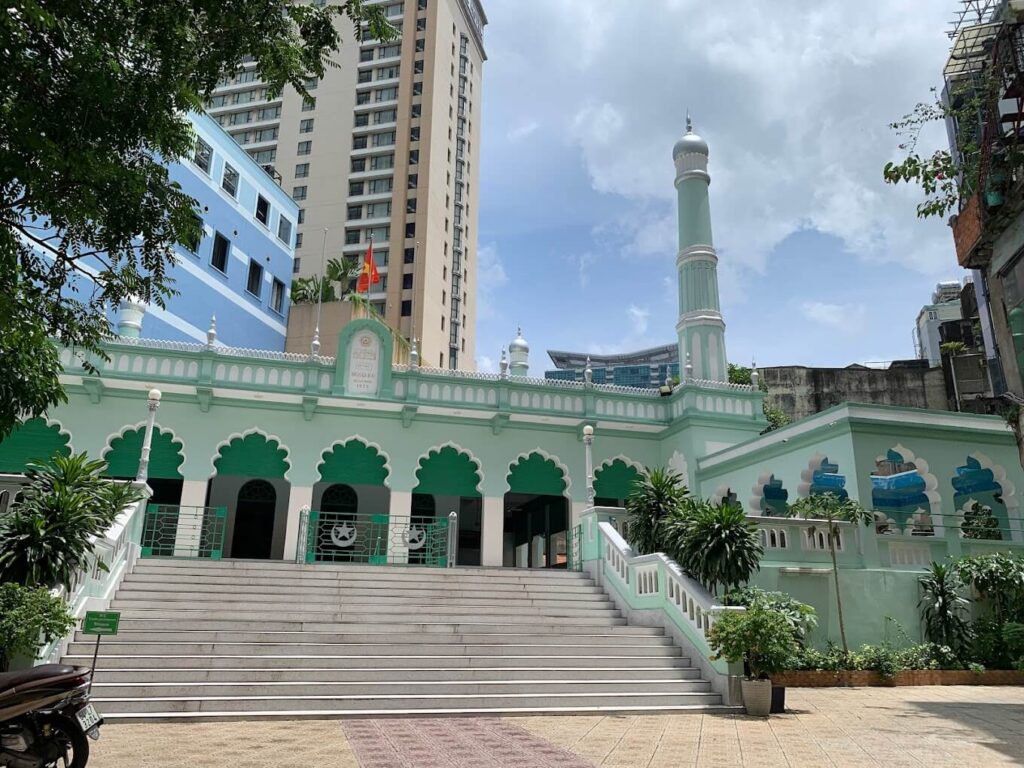
The museum does not advertise a prayer room. The closest mosque for visitors is Saigon Central Mosque at 66 Dong Du Street, Sai Gon ward (former District 1), built in 1935, about 2 km away or 10 minutes by car. Our guide to mosques in Ho Chi Minh City lists other mosques in the city.
Dress and content
There is no special dress code, and modest Muslim dress is entirely comfortable here. Saigon is warm all year, so breathable fabrics and a light headscarf are the most comfortable choice. If you travel with children, ask your guide which rooms to skip; the outdoor yard and the anti-war galleries are usually fine for all ages.
Visit the War Remnants Museum on a Saigon Muslim Tour
The War Remnants Museum is included in several of our private tours, always with a professional English-speaking guide, an air-conditioned vehicle and certified-halal meals at halal restaurants:
- Ho Chi Minh City Muslim Tour 1 Day: the museum, Independence Palace, the colonial landmarks, Saigon Central Mosque and Ben Thanh Market in one day.
- Cu Chi Tunnels & Ho Chi Minh City Muslim Tour 1 Day: the tunnels in the morning and the war history of the city centre in the afternoon.
- Ho Chi Minh Muslim Tour 4 Days and Ho Chi Minh Muslim Shopping Tour 4 Days: Saigon at a relaxed pace with the Mekong Delta and Cu Chi Tunnels.
- Ho Chi Minh – Hanoi Muslim Tour Package 8 Days and Vietnam Muslim Tour Package 10 Days: the museum as part of a full journey through Vietnam.
Browse all our Ho Chi Minh Muslim day trips and Ho Chi Minh Muslim tour packages, read more about Ho Chi Minh City, or contact Saigon Muslim Tours for a free tailor-made itinerary.
Frequently Asked Questions about the War Remnants Museum
1. Where is the War Remnants Museum in Ho Chi Minh City?
It is at 28 Vo Van Tan Street, Xuan Hoa ward (former District 3), about 10 minutes by car from Ben Thanh Market and a 10-minute walk from Independence Palace.
2. What are the War Remnants Museum opening hours?
The museum is open every day from 7:30 to 17:30, including weekends and public holidays. The ticket counter closes at 17:00.
3. How much is the War Remnants Museum entrance fee?
An adult ticket costs 40,000 VND (about 1.5 USD). Students with a card pay half price, and children under 6 enter free.
4. Can I buy War Remnants Museum tickets online?
Yes. Since February 2026 the museum sells tickets online through its official website. You choose a time, pay online and receive a QR code by email to scan at the entrance.
5. How long do I need at the War Remnants Museum?
Most visitors spend 1.5 to 2 hours. Allow up to 3 hours if you want to read the captions in every gallery.
6. Is the War Remnants Museum suitable for children?
Older children can visit with an adult, but some photographs and the preserved Agent Orange specimens are very graphic. With young children, focus on the outdoor aircraft and tanks and the anti-war galleries.
7. Is the War Remnants Museum open on Mondays?
Yes. Unlike many museums, it opens every day of the week, including Mondays and Vietnamese public holidays.
8. Is the War Remnants Museum one-sided?
It presents the war from the Vietnamese perspective and focuses on its victims, which some visitors find one-sided. Seeing it with a guide, and visiting Independence Palace and the Cu Chi Tunnels as well, gives a fuller picture.
9. Can I take photos inside the War Remnants Museum?
Yes, personal photography is generally allowed in the galleries and the outdoor yard. Please be respectful when photographing images of victims.
10. Is there a dress code at the War Remnants Museum?
There is no formal dress code, but modest clothing is appropriate for a memorial museum. Comfortable shoes are useful as you will walk and climb stairs.
11. Is there halal food near the War Remnants Museum?
Not right next door. The nearest halal restaurants are on Nguyen An Ninh Street by Ben Thanh Market and on Dong Du Street near Saigon Central Mosque, both about 10 minutes away by car.
12. Where can Muslims pray near the War Remnants Museum?
The nearest mosque for visitors is Saigon Central Mosque at 66 Dong Du Street, Sai Gon ward, about 10 minutes away by car.
13. What is the best time to visit the War Remnants Museum?
Arrive at opening time, 7:30, or after 15:30 to avoid the busiest hours. Weekdays are quieter than weekends and the public holidays around 30 April.
14. Can I visit the War Remnants Museum and Independence Palace on the same day?
Yes. They are about 10 minutes apart on foot, and together they take around 3.5 to 4 hours. Both are included in our Ho Chi Minh City Muslim Tour 1 Day.